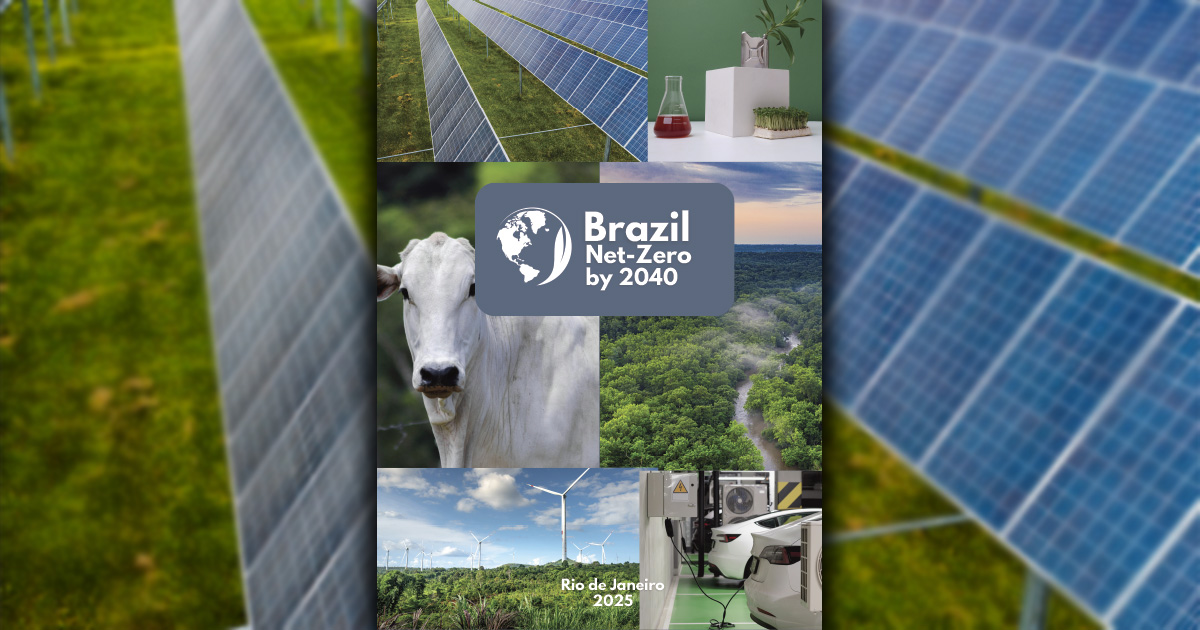
The Energy-2040 scenario is based on a profound transformation of the energy matrix, with a sharp reduction in oil use, electrification, and the decarbonization of transport and industry. It includes the expansion of biofuels and large-scale carbon capture and storage (CCS) technologies, especially in the cement, steel, and chemical sectors. “This approach reduces dependence on territorial policies and the risks of environmental setbacks, but introduces new technological and financial uncertainties, as it involves high costs and technologies still under development,” the researchers note.
According to the report, liquid biofuels will become the core of a carbon-neutral economy, with approximately 64% derived from sugarcane. The scenario indicates a more intense energy transition, with an almost complete phase-out of fossil fuels, particularly oil, and the predominance of renewable primary energy sources such as biofuels (lignocellulosic biomass and sugarcane), hydropower, and intermittent renewables (wind and solar). This shift requires the closure of oil refineries and rapid expansion of renewables and advanced biofuels, building long-term economic and climate resilience.
Despite their distinct trajectories, both pathways depend on strong environmental governance and consistent investments. In Afolu-2040, additional investment would amount to around 1% compared with the current target. The energy transition would occur more gradually, with fossil fuels still accounting for 46% of primary energy in 2040, compared with 22% in the Energy-2040 scenario. Energy-2040 would require approximately 20% more investment due to the installation of new technologies and infrastructure.
The report concludes that Brazil can bring forward its climate neutrality target to 2040, but this will require structural transformations in land use and the energy system. Both scenarios eliminate illegal deforestation by 2030 and expand land use, land-use change, and forests as the main carbon sink. Achieving emissions neutrality by 2040 is technically feasible, supported by bioenergy, carbon capture and storage technologies, and integrated territorial governance. However, it demands unprecedented investments, coordination across different sectors of the economy, and public–private partnerships.
The researchers emphasize that meeting the targets depends on fair distribution of costs and benefits, ensuring social inclusion and climate justice, with potential for creating green jobs that support emissions reduction and improve environmental quality in areas such as agriculture, recycling, energy, and transportation. According to the report, implementing the proposed scenarios would position Brazil as an internationally recognized model, a strategy developed in the Global South, demonstrating that early climate action is compatible with the broader goal of sustainable development for all.
More information: nnascimento@usp.br (Nathalia Nascimento) and mercedes@unb.br (Mercedes Bustamante)
*Written with information from Instituto Amazônia 4.0 and Agência Bori
**Intern under the supervision of Moisés Dorado
English version: Nexus Traduções, edited by Denis Pacheco